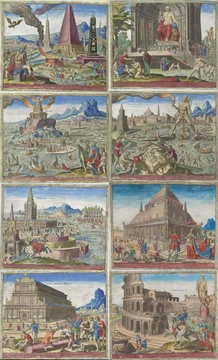
Machu Picchu
A 15th-century Inca citadel in the Peruvian Andes.

via Wikipedia: Machu Picchu · see source
Machu Picchu is a 15th-century Inca citadel located in the Eastern Cordillera of southern Peru on a mountain ridge at 2,430 meters (7,970 ft). It is situated in the Machupicchu District of Urubamba Province about 80 kilometers (50 miles) northwest of Cusco, above the Sacred Valley and along the Urubamba River, which forms a deep canyon with a subtropical mountain climate. Often referred to as the "Lost City of the Incas," it is one of the most iconic symbols of the Inca civilization and a major archaeological site in the Americas. Estimated to have been built around 1450, it is believed to have served as an estate for the Inca emperor Pachacuti, though no contemporary written records exist to confirm this. The site was abandoned roughly a century later, likely during the Spanish conquest.
- Built
- c. 1420–1530 (radiocarbon dating)
Verified Timeline
Lore & Background
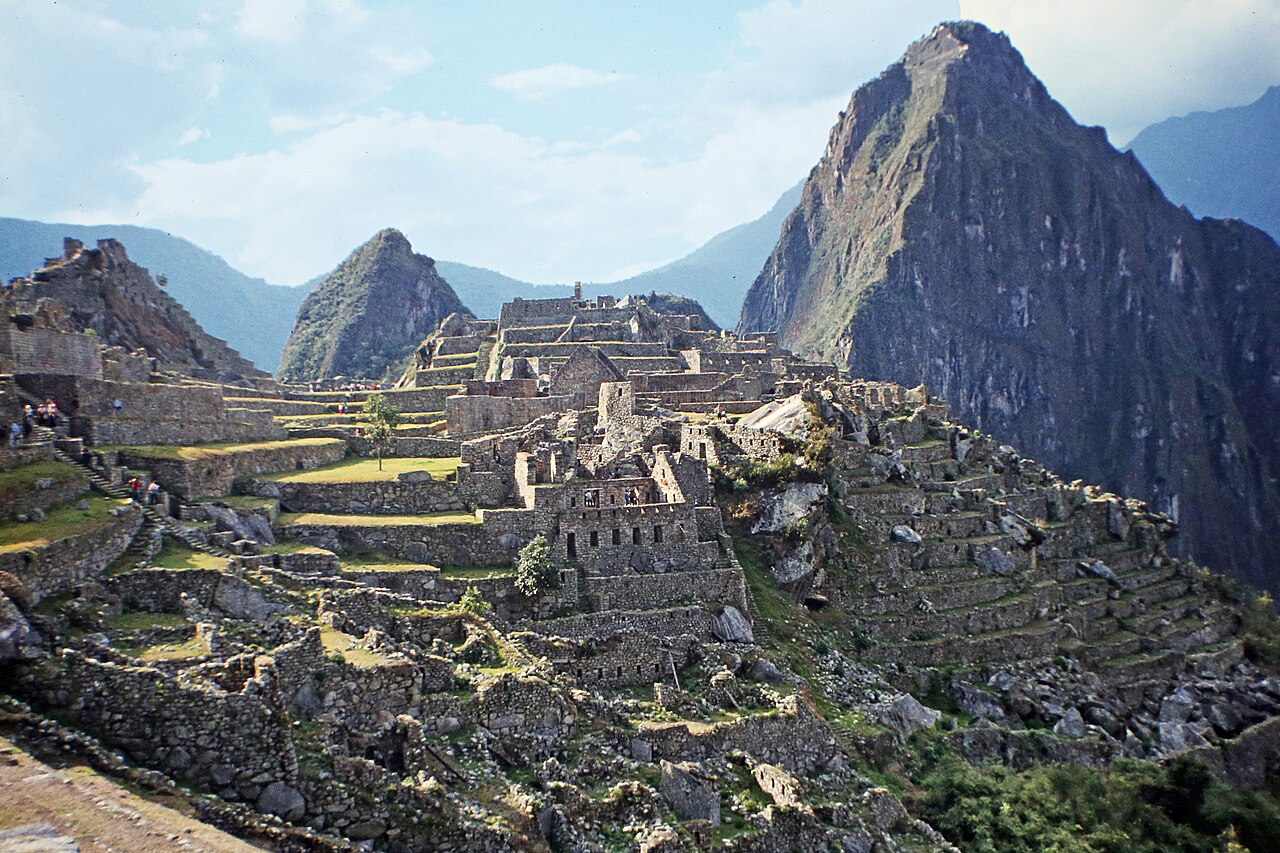
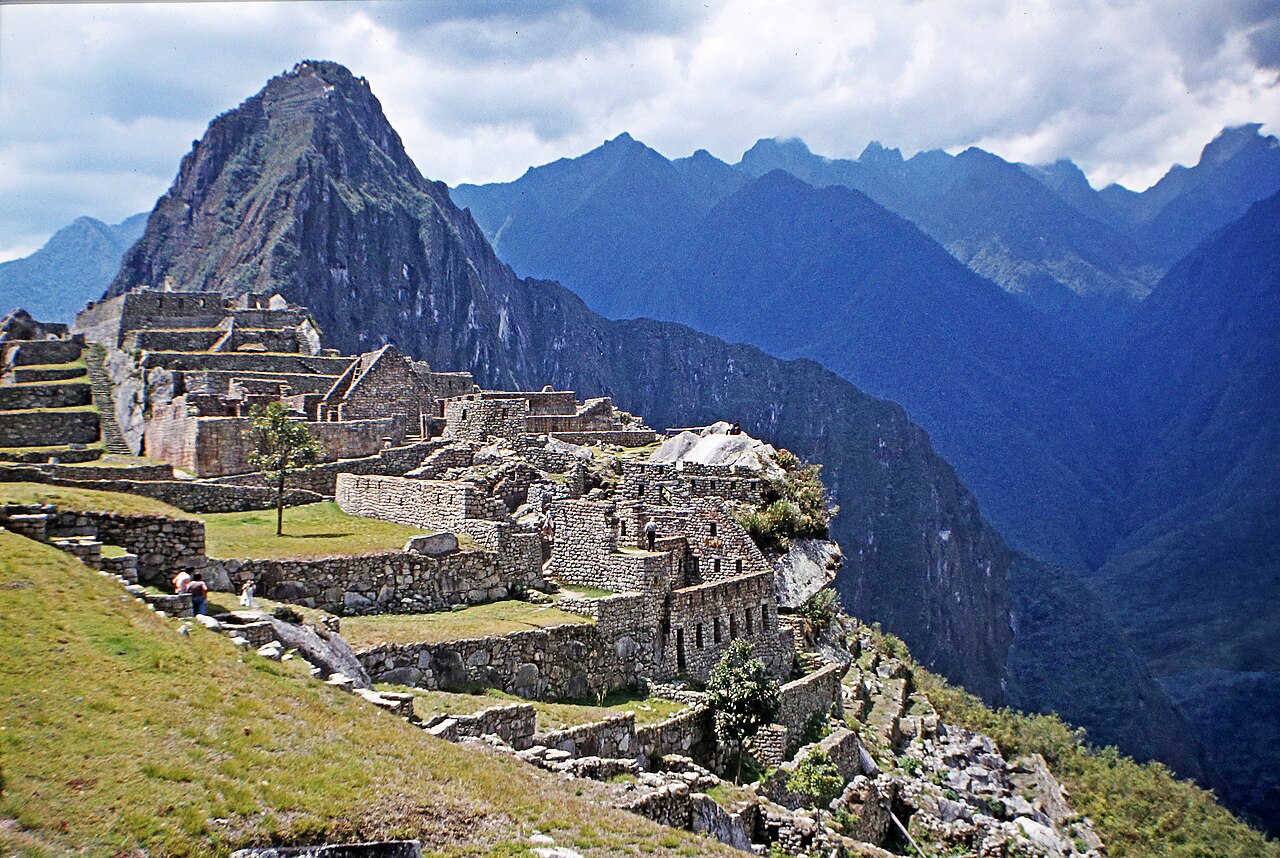
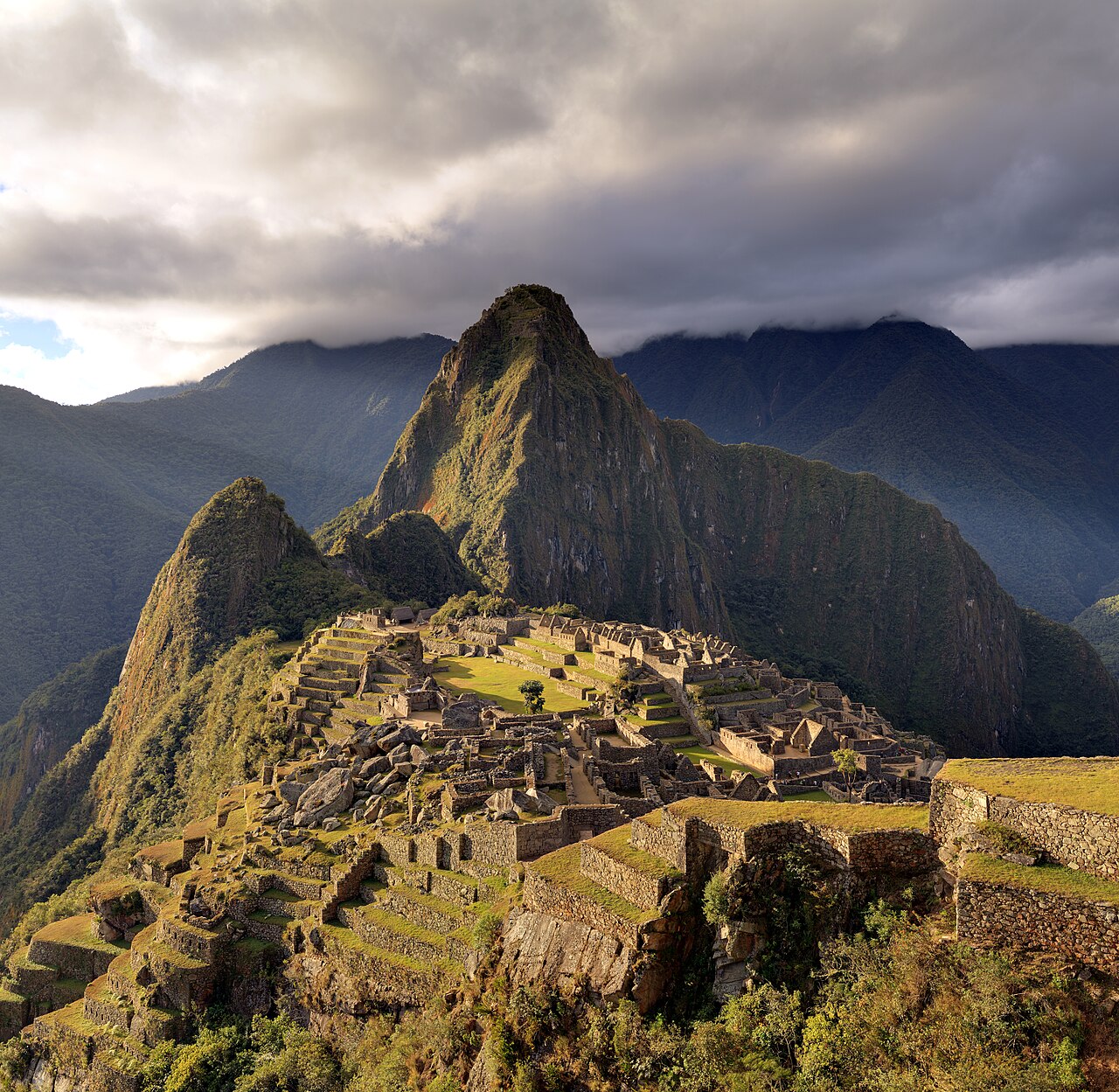
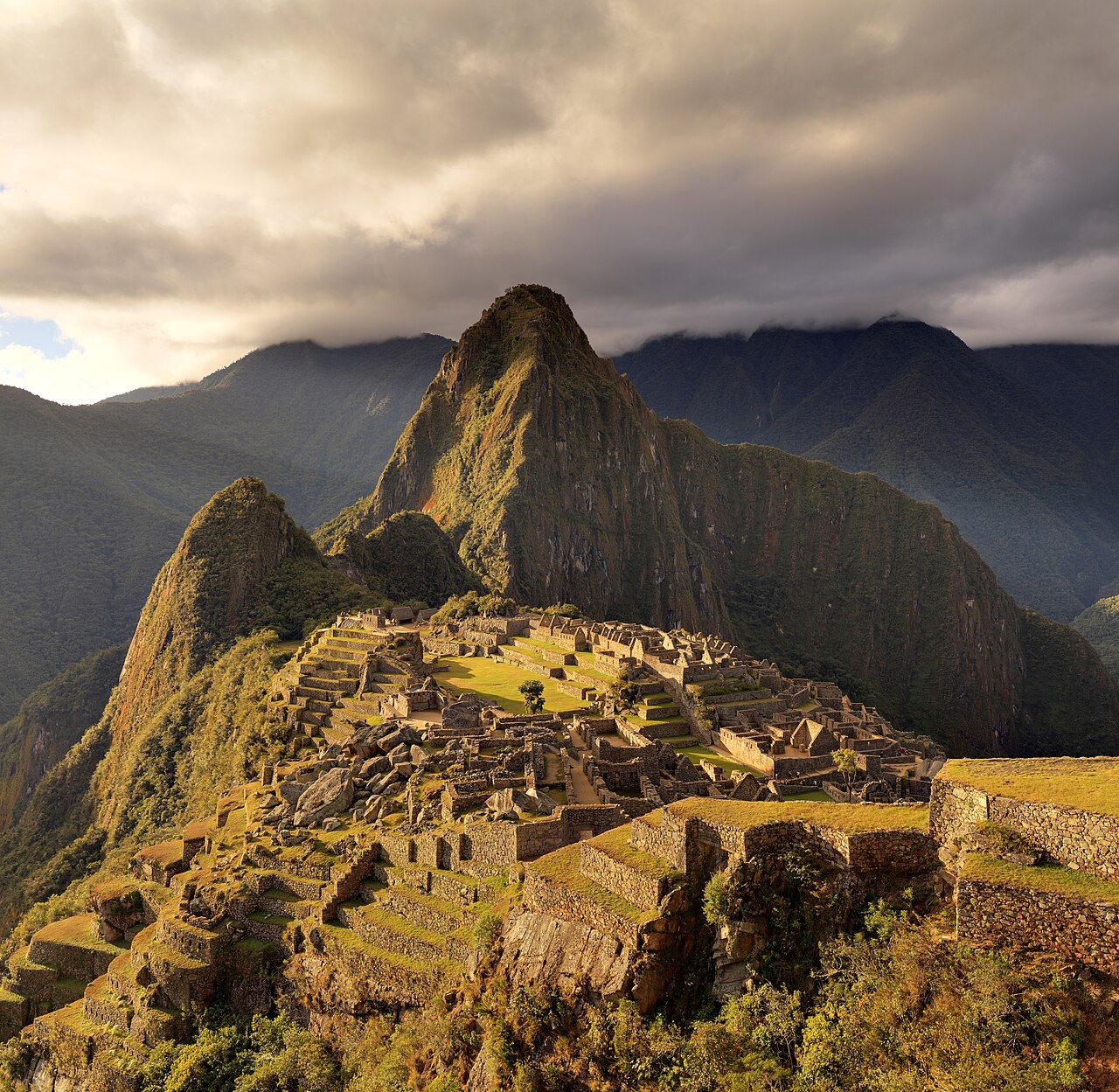
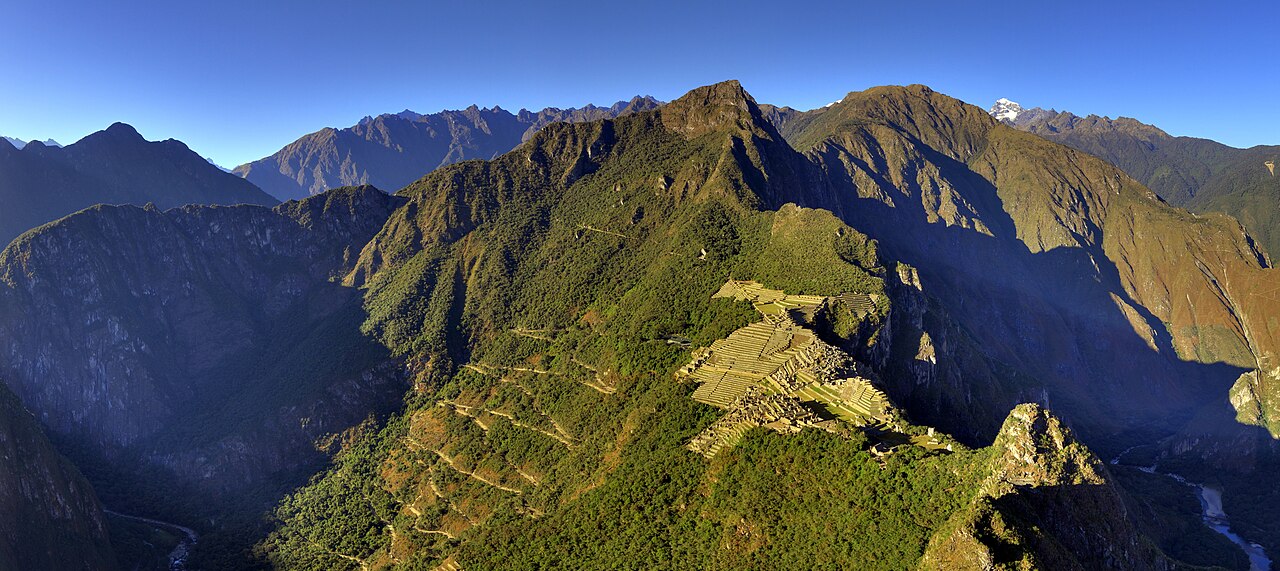
Machu Picchu was constructed in the classical Inca style, featuring finely crafted dry-stone walls. Notable structures include the Temple of the Sun, the Temple of the Three Windows, and the Intihuatana ritual stone. The site sits on a narrow saddle between two peaks: Machu Picchu ("old peak") and Huayna Picchu ("young peak"). The original Inca name is unknown; a 2021 study in Ñawpa Pacha: Journal of the Institute of Andean Studies suggests the site was likely called "Huayna Picchu" after the smaller peak nearby, or simply "Picchu." The association with the name Machu Picchu likely began with American explorer Hiram Bingham's 1911 publications, a conclusion supported by Bingham's field notes, early maps, and historical documents. Although the site was known locally and reached in the early 20th century by the Peruvian explorer Agustín Lizárraga, it was brought to international attention in 1911 by Bingham.
Reader's Guide
Machu Picchu is a UNESCO World Heritage Site and one of the New Seven Wonders of the World, drawing over 1.5 million visitors annually as of 2025, making it Peru's most visited international tourist destination. Its significance lies in its well-preserved Inca architecture, including terraces and ritual structures, and its role as a royal estate for Emperor Pachacuti. The site was abandoned roughly a century after construction, likely due to the Spanish conquest, and was brought to international attention by Hiram Bingham in 1911. Modern radiocarbon dating places its occupation between c. 1420 and 1530, though earlier models suggested a later start. Construction appears to date from two Sapa Incas, Pachacutec Inca Yupanqui (1438–1471) and Túpac Inca Yupanqui (1472–1493). A consensus among archaeologists is that Pachacutec ordered the construction of the royal estate after his conquest of the middle and lower Urubamba. The site's remote location and sophisticated engineering continue to make it a focus of archaeological study and a major tourist destination.
Did You Know?
- A 2021 study suggests the original Inca name was likely Huayna Picchu, not Machu Picchu, and that the modern name was popularized by Hiram Bingham's 1911 publications.
- Genome-wide analyses show the retainer community at Machu Picchu included individuals of Andean, coastal, Ecuadorian, and Amazonian ancestries, all living and buried together.
- Most animal bones found at the site were from llamas and alpacas, which naturally live at 4,000 meters (13,000 ft), far above the site's 2,400 meters (7,900 ft).
- The terraces at Machu Picchu cover only about 4.9 hectares (12 acres) and could not support the estimated 750 residents, so food was imported from surrounding valleys.
- As of 2025, Machu Picchu receives over 1.5 million visitors annually, making it Peru's most visited international tourist destination.
Architecture & Sacred Spaces
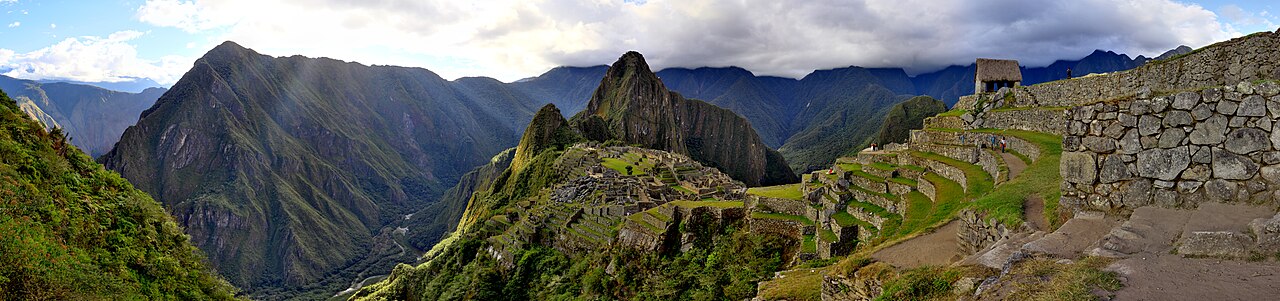
Machu Picchu rises from a narrow saddle between two peaks at an elevation of 2,430 meters, perched along the Urubamba River in the Eastern Cordillera of southern Peru. Built in the classical Inca tradition, the citadel is defined by its masterfully fitted dry-stone walls—blocks shaped and interlocked so precisely that no mortar was needed. Among its most celebrated structures are the Temple of the Sun, the Temple of the Three Windows, and the Intihuatana, a ritual stone whose ceremonial purpose has fascinated scholars for over a century. Construction is generally attributed to the reigns of two successive Sapa Incas, Pachacutec Inca Yupanqui (1438–1471) and Túpac Inca Yupanqui (1472–1493), as part of a broader program of royal estates established along the middle and lower Urubamba after Pachacutec's military conquests of the region. The complex was designed to function as a seasonal royal retreat rather than a permanent capital, and its orientation, terracing, and sacred architecture reflect a cosmology in which the mountain itself was a living participant in ritual life. Much of the farming was done on its andenes (artificial terraces), built to ensure drainage and soil fertility while protecting the mountain from erosion and landslides.
A Diverse Community in the Mountains
Roughly 750 people called Machu Picchu home during its roughly century of occupation, yet they were far from a homogeneous group. Genome-wide analyses of skeletal remains reveal a retainer community (yanacona and former aclla) drawn from Andean highland, coastal, Ecuadorian, and Amazonian ancestries, all buried together. Most residents were yanaconas—permanent support staff—alongside religious specialists and temporary skilled workers known as mayocs, whose numbers swelled and shrank with the seasons; in the harsher winter months, staffing dropped to a few hundred focused mainly on maintenance. Dietary chemistry in the bones tells a story of migration: many individuals carried chemical signatures of long-term diets rich in fish and legumes from coastal or lowland regions, yet their last-known short-term diet at Machu Picchu shifted toward less fish and more corn. Notably, the skeletal record shows lower levels of arthritis and bone fractures than at most other Inca sites, suggesting these residents were spared the heavy physical labor and military service that plagued the broader empire. Even the animal bones—mostly llama and alpaca—point to creatures naturally adapted to altitudes of 4,000 meters (13,000 ft) rather than the site's 2,400 meters (7,900 ft) elevation, likely brought from the Puna region for meat and pelts. Six dogs were also recovered, placed among human remains as companions of the dead.
The Name and the Discovery
The name "Machu Picchu" is itself a subject of scholarly revision. In Quechua, machu means 'old' or 'old person,' while pikchu denotes a 'summit,' 'peak,' or 'pyramid'—making the common translation 'old mountain' or 'old peak.' Yet a 2021 study published in Ñawpa Pacha: Journal of the Institute of Andean Studies argues that the settlement's original name was more likely Huayna Picchu, after the smaller neighboring peak, or simply Picchu. The researchers, drawing on Bingham's own field notes, early maps, and historical documents, conclude that the association of the ruins with the name Machu Picchu was popularized by the American historian Hiram Bingham III in his 1911 publications. Before Bingham's expedition, the site had already been reached by the Peruvian explorer Agustín Lizárraga in the early twentieth century and was known to local communities. The distinction matters: it reminds us that what we call the "Lost City of the Incas" was never truly lost to the people who lived in its shadow, and that the very label under which the world knows it is, in a sense, a twentieth-century invention.
From Royal Retreat to Global Icon
Abandoned roughly a century after its construction—likely in the upheaval of the Spanish conquest, though smallpox introduced by travelers before the Spanish conquistadors even arrived may have already thinned its population—Machu Picchu lay quiet for nearly four hundred years before re-entering the global imagination. Its modern trajectory has been remarkable: Peru designated it a National Historic Sanctuary in 1981, followed by UNESCO World Heritage status in 1983. In 2007, it was named one of the New Seven Wonders of the World, cementing its status as one of the most recognizable symbols of the Inca civilization and a preeminent archaeological site in the Americas. As of 2025, the citadel draws more than 1.5 million visitors each year, making it Peru's most-visited international tourist destination. Set above the Sacred Valley, where the Urubamba River carves a deep canyon through a subtropical mountain climate, the site continues to draw scholars and travelers who come to walk the same terraced ridgeline where Pachacutec's retinue once tended the Temple of the Sun.
Common Misconceptions (Editorial)
1. Many people believe Machu Picchu was originally called by that name, but a 2021 study suggests its original Inca name was likely Huayna Picchu or simply Picchu, and the modern name was popularized by Hiram Bingham’s 1911 publications.
2. Some assume Hiram Bingham was the first to discover the site, but it was already known locally and reached in the early 20th century by Peruvian explorer Agustín Lizárraga before Bingham brought it to international attention.
3. It is often thought that the terraces could sustain the site’s population, but the facts show they covered only about 4.9 hectares and could not support the estimated 750 residents, requiring food imports from surrounding valleys.
Why It Matters (Editorial)
Machu Picchu endures as a powerful symbol of Inca ingenuity and resilience, showcasing advanced dry-stone construction and adaptation to a dramatic mountain landscape. Its mystery—compounded by the lack of contemporary written records—continues to inspire both scholarly inquiry and public fascination, while its status as Peru’s most visited international destination underscores its lasting cultural and economic significance.
Gallery
Frequently Asked Questions
What is Machu Picchu?
Machu Picchu is a 15th-century Inca citadel perched on a mountain ridge in the Eastern Cordillera of southern Peru. It sits at roughly 2,430 meters above sea level and is widely regarded as one of the most recognizable symbols of Inca civilization.
When was Machu Picchu built?
Radiocarbon dating places its construction around 1450. No surviving written records from the Inca era confirm the exact date or the full scope of its original purpose.
What was Machu Picchu used for?
It is generally believed to have functioned as a private estate for the Inca emperor Pachacuti. Because no contemporary written records survive, its precise role remains a matter of scholarly interpretation rather than confirmed fact.
Where exactly is Machu Picchu located?
The citadel sits on a narrow mountain ridge in the Eastern Cordillera range of southern Peru, at an elevation of about 2,430 meters. Its remote Andean setting helped keep the site hidden from European colonizers for centuries.
Why is Machu Picchu called the 'Lost City of the Incas'?
The nickname reflects that the site remained unknown to the outside world for a long time after the fall of the Inca Empire before being brought to wider attention. It has since become one of the most iconic archaeological sites in the Americas.
More in World Wonders 1-22
Spotted an error? Know more?
This is a living reference — every entry is fact-audited, and reader corrections feed straight into our audit queue. Suggest an edit · See this site's audit record